
Forest + meadow
Two key habitat moods
Walk a little and the feeling changes fast.
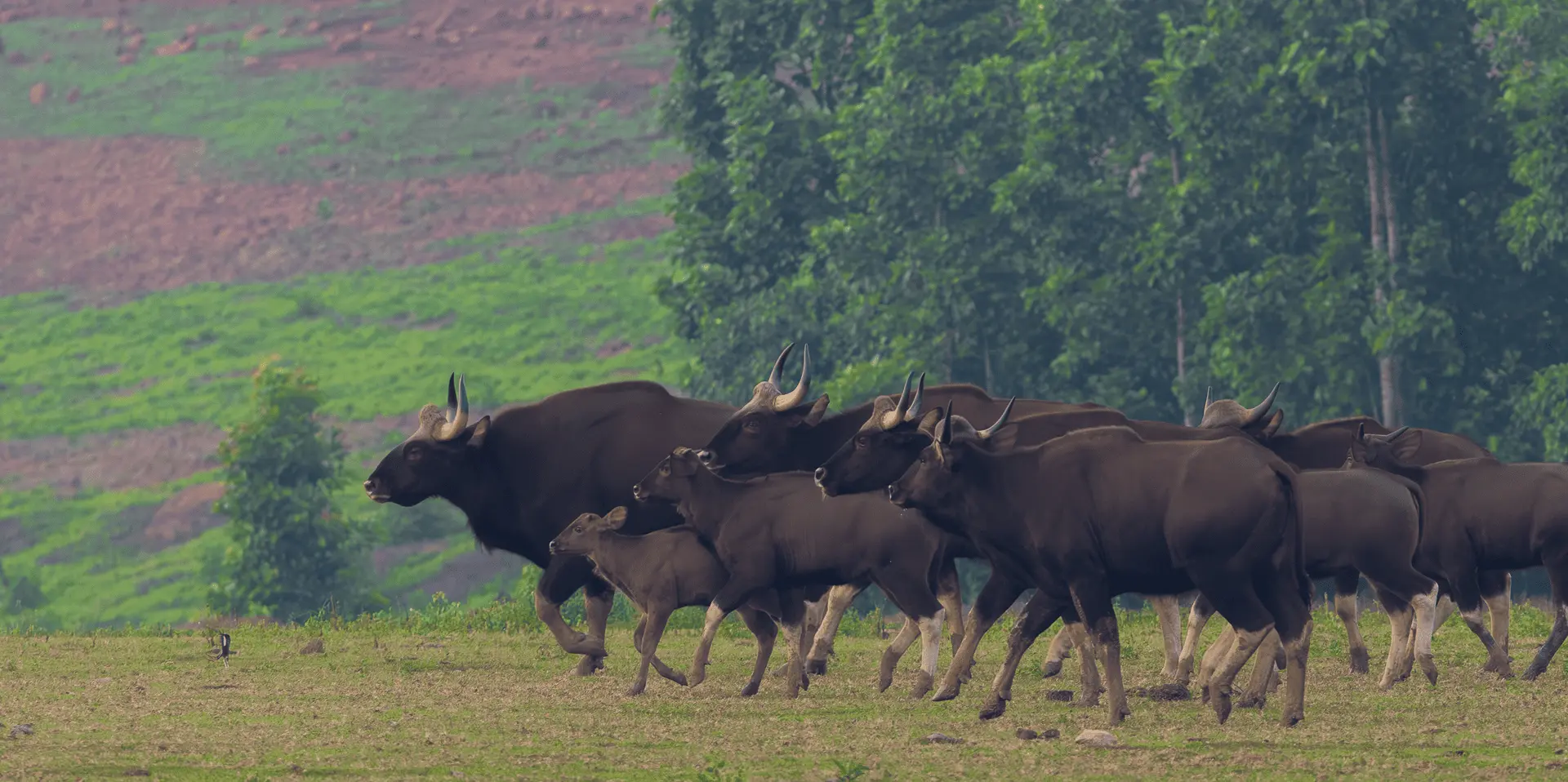
Forest + meadow
Two key habitat moods
Walk a little and the feeling changes fast.
Birds + mammals
The big draw
The food chain is active from canopy to ground.
Streams + waterfalls
Water keeps it moving
The reserve stays green because the water network stays alive.
Wild, not staged
The real appeal
This is a place to watch nature do its own thing.
Why it feels special
People come for the headline wildlife, but the reserve stays in your memory because of the whole scene around it: bird calls in the morning, orchids in the shade, deer on the edge of a meadow and forest that looks different after every bend in the road.
What to look for
Biodiversity here shows up in layers. The trick is to stop thinking only about sightings and start noticing how the forest is built.
Watch the edges where forest meets open ground. That is where movement picks up.
Listen before you look. Birds and insects often arrive before larger animals do.
After rain, the reserve feels louder, greener and more active because food and water are everywhere.
A good visit is not a checklist. It is a feel for the whole ecosystem.
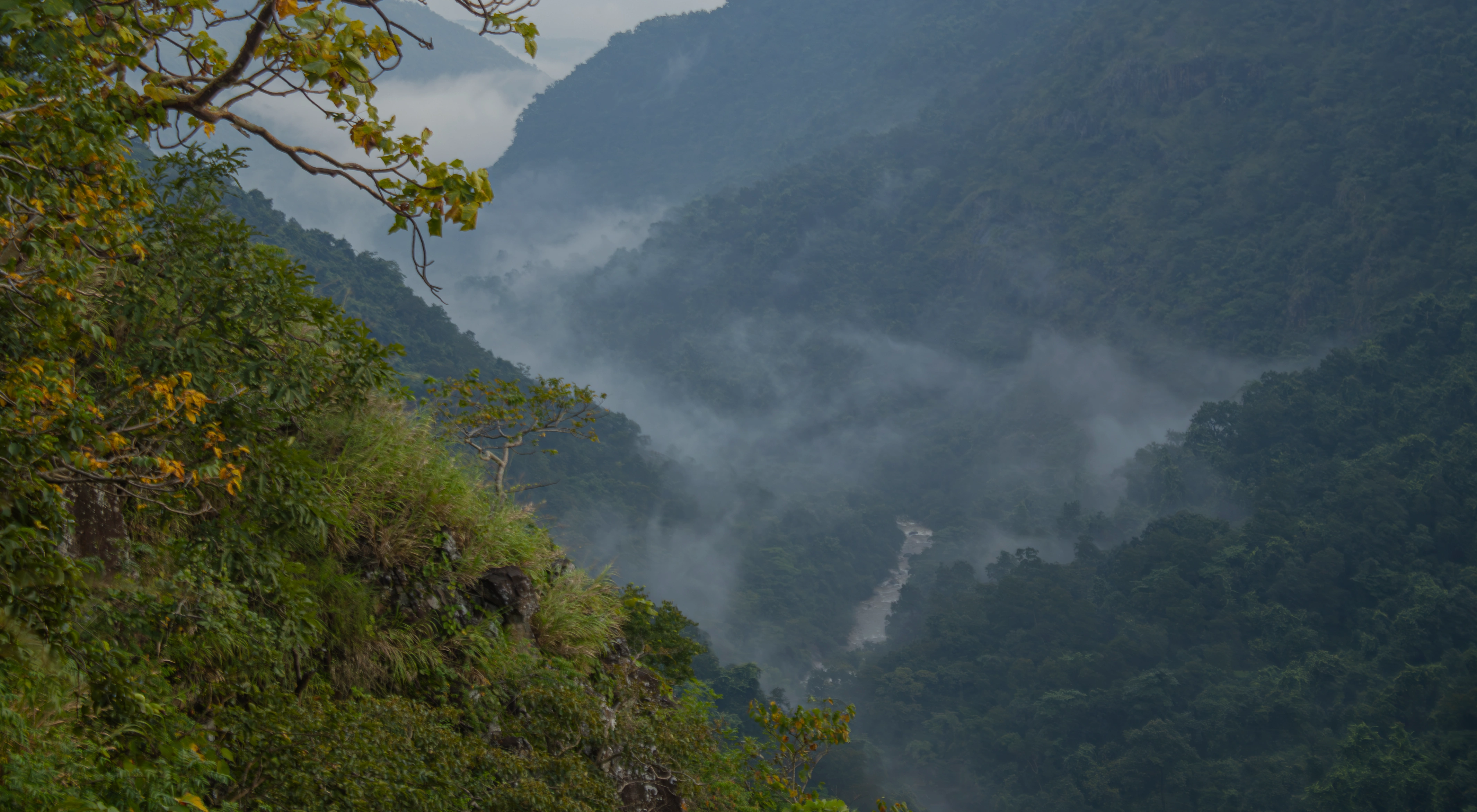
Field sense
In Similipal, birds depend on fruiting trees, mammals depend on water and cover, and the forest itself depends on the rhythm of monsoon, dry season and recovery.
Keep going
If you want the reserve in pieces, start with wildlife, birds, orchids and forest habitats. Each page opens a different side of the same landscape.