.png&w=1920&q=75)
Sal canopy
Forest backbone
Tall trees and shade define the reserve's look.
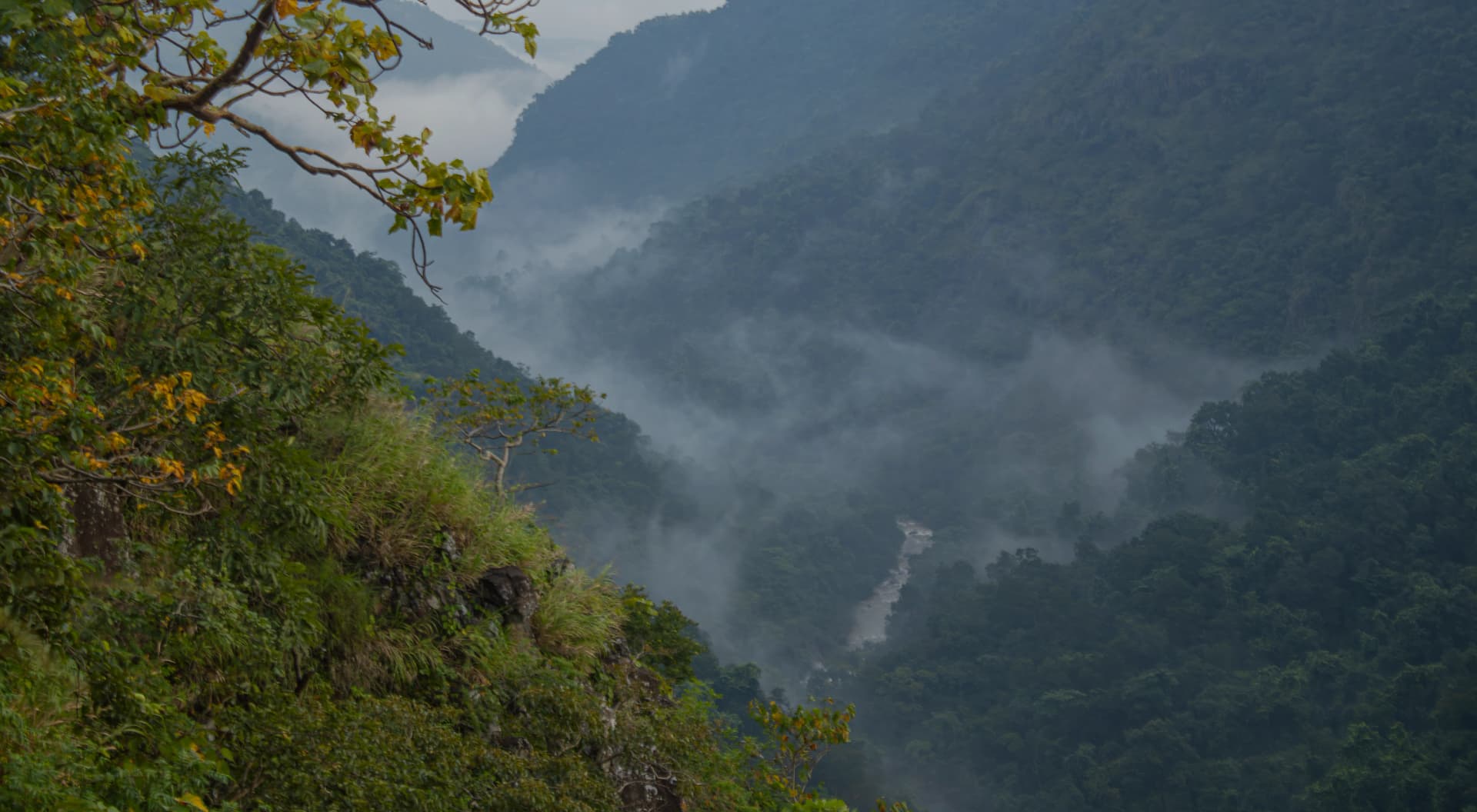
The plants of Similipal do more than make it look green. They decide where animals feed, where birds nest and how the reserve feels in every season.
Sal canopy
Forest backbone
Tall trees and shade define the reserve's look.
Meadow edges
Where life gathers
Open spaces create feeding and viewing zones.
Seasonal change
Same forest, new mood
The reserve feels different in each season.
Habitat first
Plants support everything
Wildlife stories start with the forest floor and canopy.
Why the forest matters
You can think of this page as the behind-the-scenes section. Trees, grasses, creepers and moisture hold the rest of the ecosystem together, so the wildlife pages make more sense once you understand the vegetation.
How to read it
A good visit means noticing the canopy, the middle layer and the ground layer separately.
Look up for the canopy story, down for the ground cover and out for the meadow edges.
After rain, the undergrowth feels alive; in dry months, the structure becomes easier to read.
Plant life controls where animals feed and hide, so it is never just background scenery.
If the forest feels healthy, the rest of the reserve usually does too.
Keep moving
Once you understand the flora, the birds, mammals, waterfalls and conservation story all connect more clearly.