.png&w=1920&q=75)
Elephants
The big presence
Their movement changes the mood of the reserve immediately.
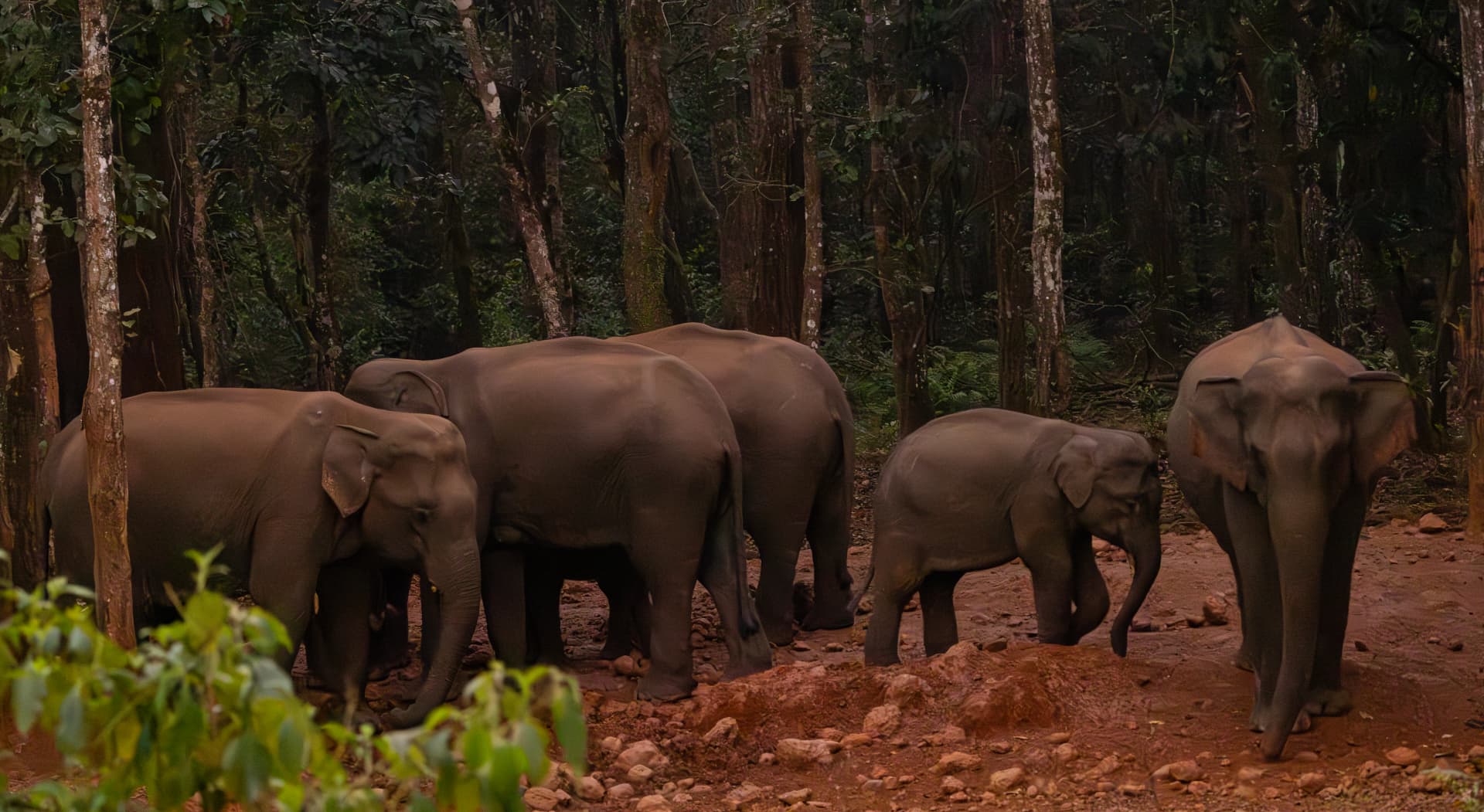
The tiger gets the attention, but the reserve is full of mammals that keep the forest story moving: elephants, deer, gaur and the predators that follow the same landscape.
Elephants
The big presence
Their movement changes the mood of the reserve immediately.
Deer and grazers
Everyday wildlife
They are the animals you see most often in open country.
Predator country
A full food chain
The reserve works because prey, cover and hunting ground all exist together.
Trackable signs
The forest leaves clues
You do not always see animals first. Sometimes you read them first.
Why mammals matter
A good Similipal drive is not only about the chance of spotting a tiger. It is also about the pulse of a forest where elephants browse, deer feed in open areas and predators move quietly through the same space.
How to watch
Mammal watching becomes much more rewarding when you look at the margins of the forest and the places where open space touches cover.
Scan slowly. Large animals often appear at the edge of your attention, not in the middle of the frame.
Early morning and late afternoon usually give you the best movement.
A calm, quiet vehicle or trail group helps more than people realize.
The reserve feels bigger when you start reading signs, not just sightings.
Next steps
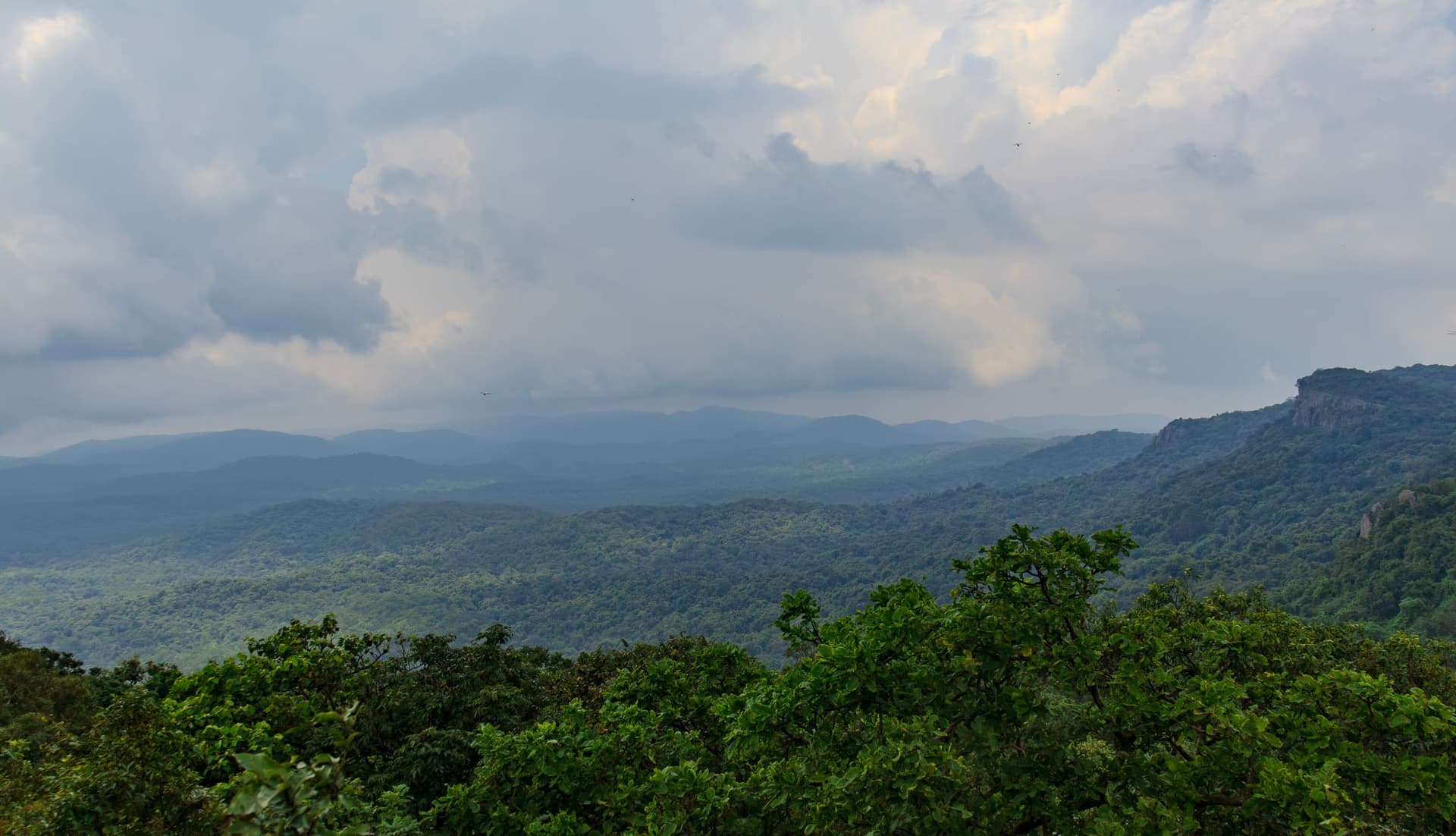
Once you start seeing the mammals, the rest of Similipal opens up: birds, flora, trails and the conservation story behind the forest.